Showing posts with label TRAVEL. Show all posts

Monday, October 19, 2020

SICILY - ITALY


Italy: Historic Sites of the Cities of the Island - Sicily!

Sicily is a very special Italian destination.
The island is located just a few kilometers from the western coast of southern Italy and is the largest in the Mediterranean, but it almost feels like a separate state.
Influences from ancient Greeks, Romans, and Arab traders have shaped an endlessly fascinating culture and environment.

Sicily is a region of Italy that includes the island of the same name, as well as several nearby archipelagos.
The island of Sicily is so large (the largest in the Mediterranean) that the rest of the islands make up only 2 percent of the region's territory.
That is why, when speaking of Sicily, they mean both the island and the region of Italy.


The area of ​​Sicily is more than 25 thousand km², and the population exceeds 5 million people.

The administrative center of the region is Palermo, a large city (almost 700 thousand inhabitants) with an ancient history.

Palermo is home to Falcone Borsellino International Airport.
And in Sicily there are air harbors in the cities: Catania, Trapani.


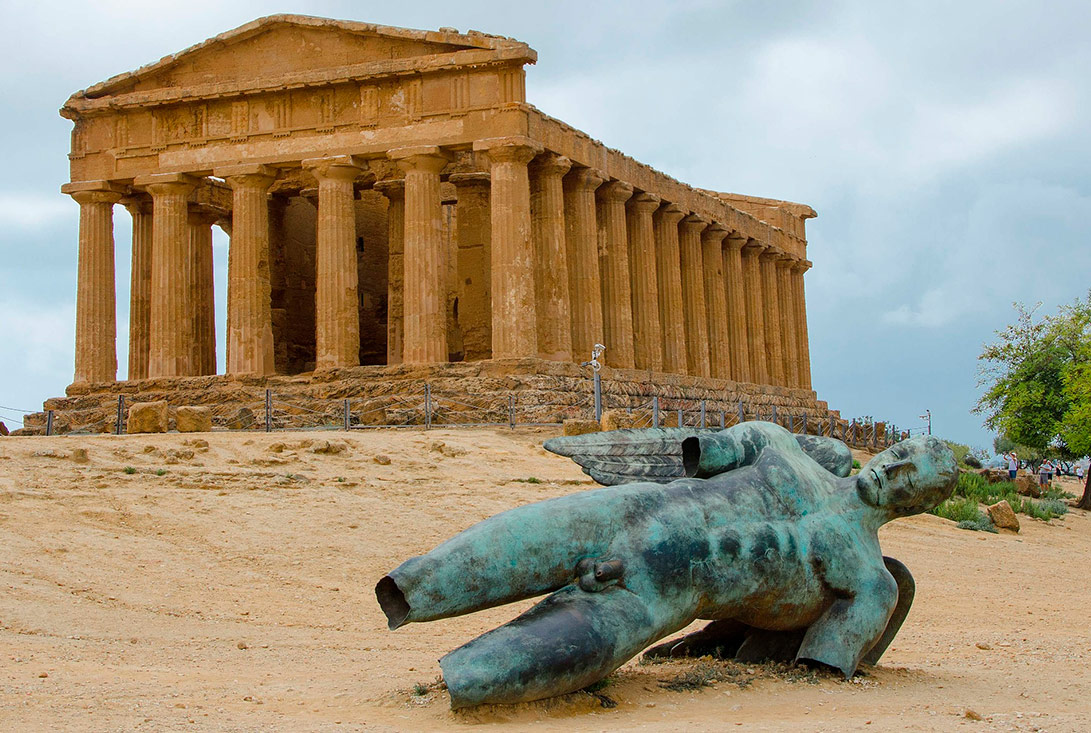
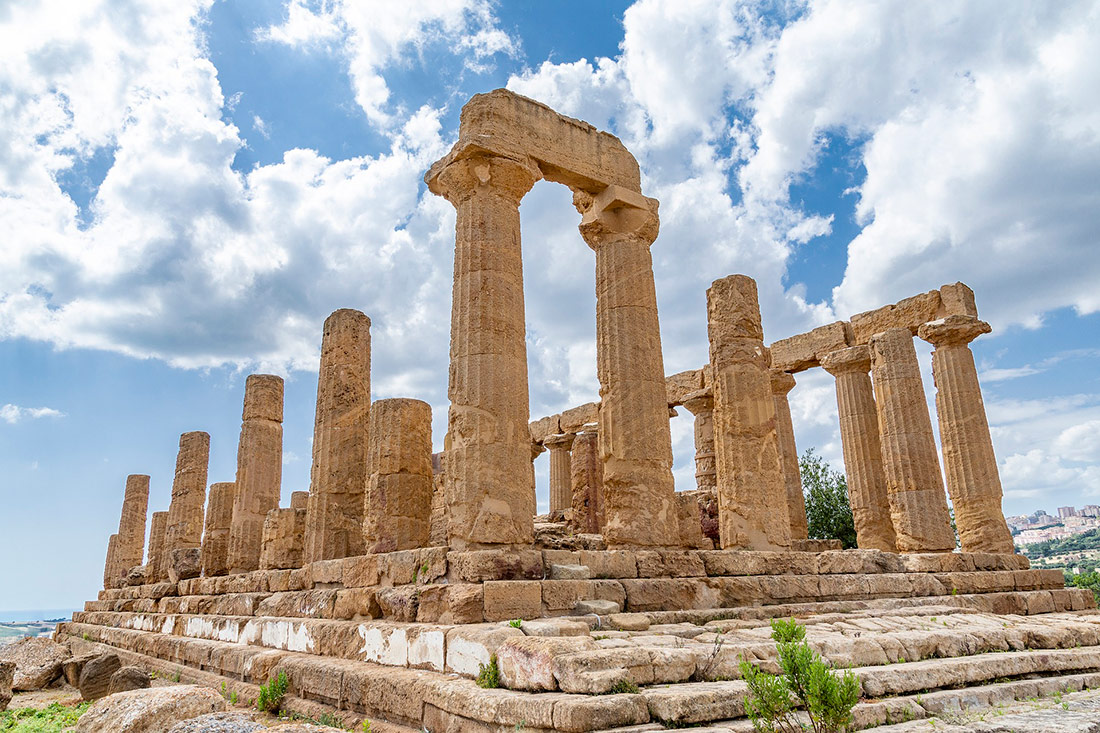
Valley of the Temples.

Sicily's most fascinating archaeological site includes the ruined ancient city of Akragas, with the excellently preserved Tempio della Concordia or Temple of Concord, one of several ridge-top temples that in ancient times served as a beacon for sailors on their way home.
Park with an area of ​​13 sq. km, located 3 km south of Agrigento, divided into eastern and western zones.
Долина Храмов

Cathedral of Monreale

Inspired by a dream of the Virgin and determined to surpass his grandfather Roger II, who oversaw the construction of the cathedral in Cefalu and the Palatine Chapel in Palermo, William II set about building the Cathedral 8 km southwest of Palermo.
Featuring Norman, Arabic, Byzantine and Classical elements, this cathedral is considered the finest example of Norman architecture in Sicily.
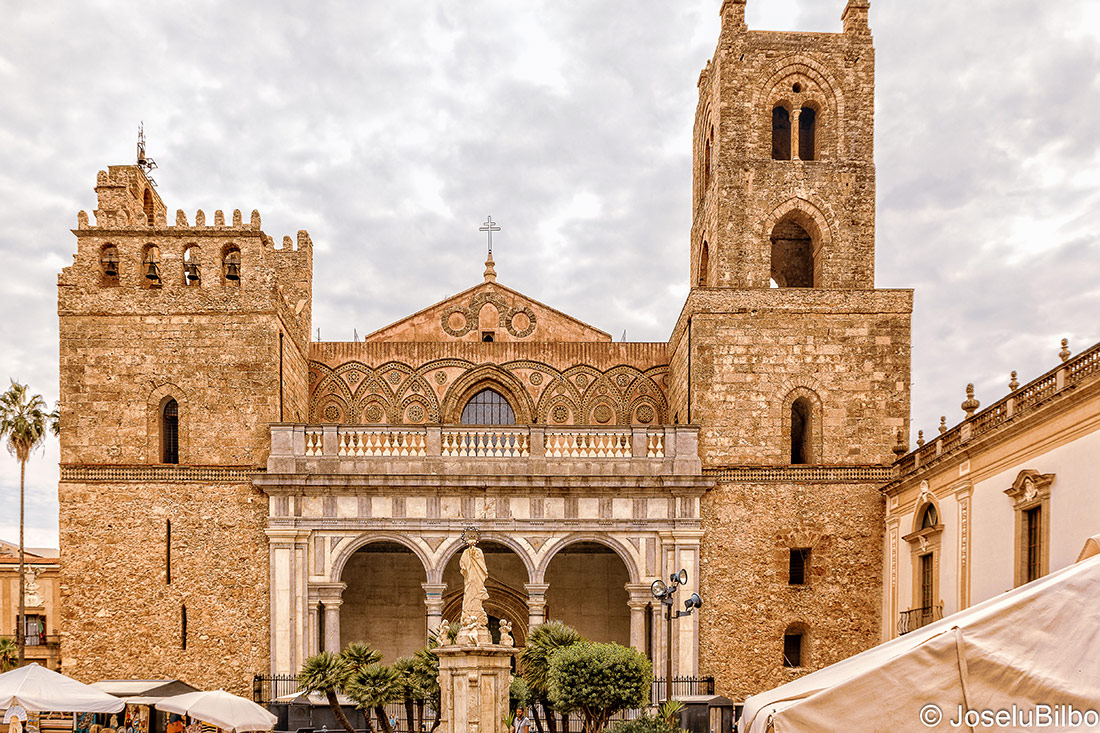
Кафедральный собор Монреале

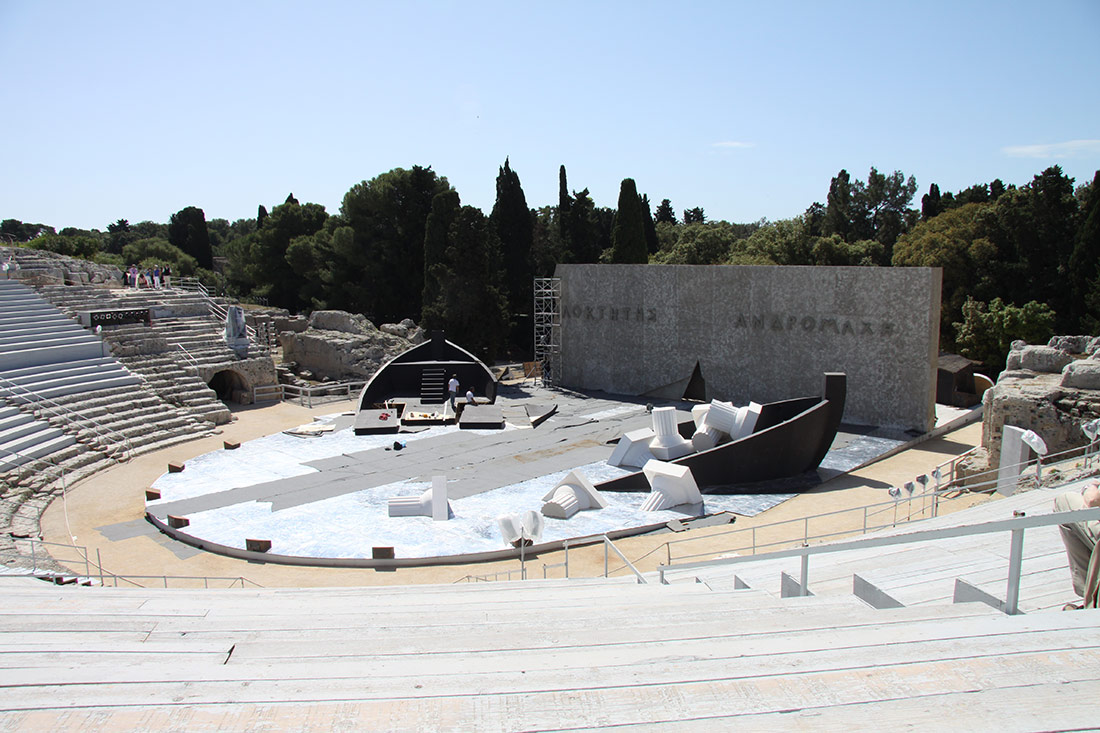
Archaeological Park of Neapolis

For connoisseurs of the classics, the most important attraction of Syracuse is the archaeological park, where there is a pearl-white Greek theater dating back to the 5th century BC.
Carved out of a rocky slope, this 16,000-seat amphitheater has staged Aeschylus's latest tragedies, including The Persians, which were first performed here in his presence.
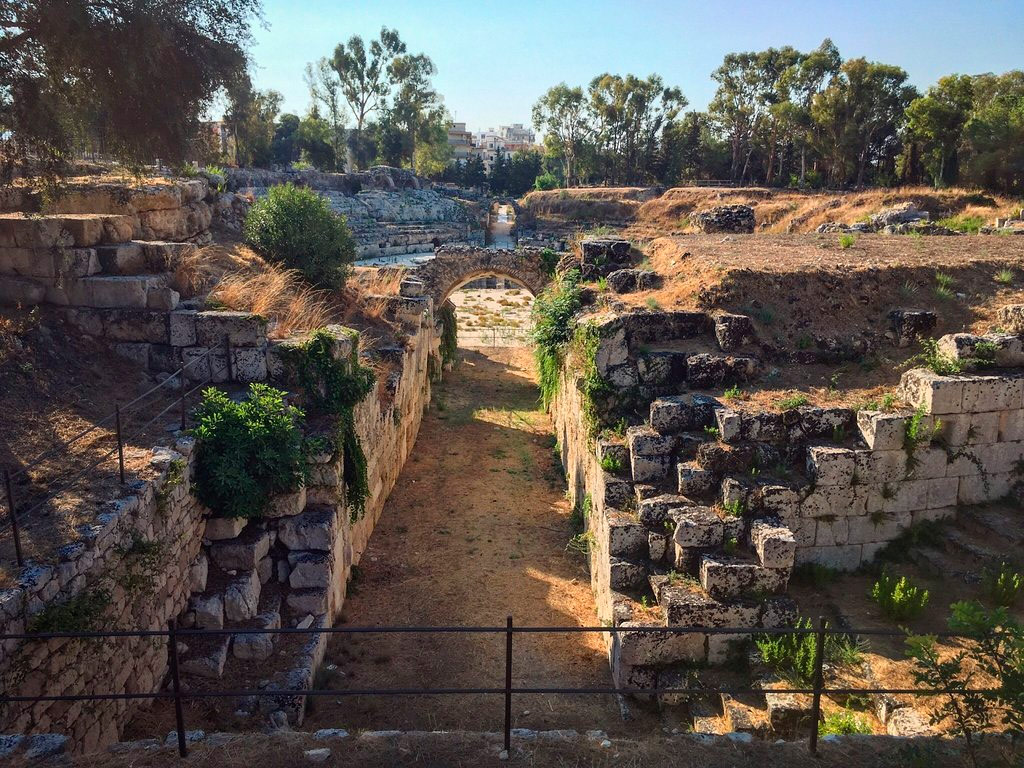
Археологический парк Неаполис

Stromboli crater

For nature lovers, climbing Stromboli will have one of the most unforgettable experiences Sicily has to offer.
Since 2005, access to the volcano has been strictly regulated, and therefore, travelers can freely ascend only to an altitude of 400 m, and in order to continue moving higher, an experienced guide will be needed.
Climbing to an altitude of 942 m, you will see an active crater and can observe periodic eruptions.
The ascent itself takes from 2.5 to 3 hours, and the descent back to Piazza San Vincenzo is shorter and lasts from 1.5 to 2 hours.
Thus, it is a rather difficult five to six hour route up and back.
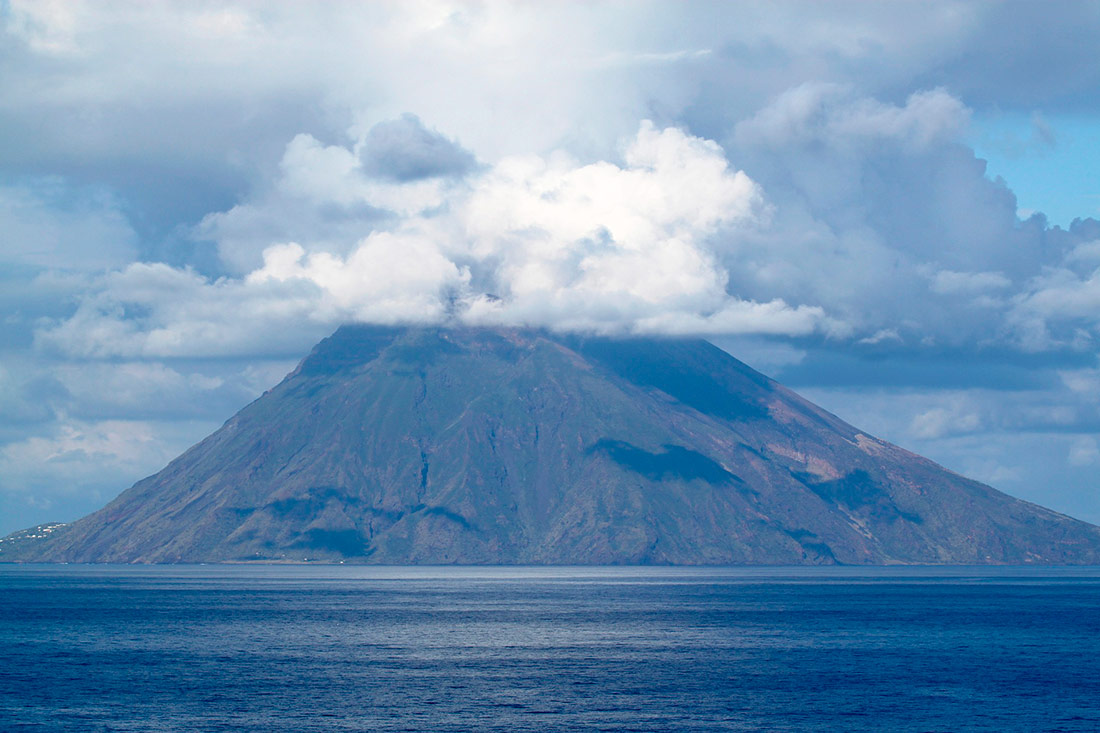
Вид на Кратер Стромболи

Ragusa Ibla Historic District

A stroll through Ragusa Ibla is a real pleasure, its winding paths, passing through gray stone palaces, open up magnificent sun-drenched squares.
If you go down to the east of the square, Corso XXV Aprile will lead you to the magnificent creation of the architect Rosario Gagliardi - the Church of San Giuseppe, which has an elliptical shape and a dome, decorated with the 1793 Glory of St Benedict fresco by Sebastian Lo Monaco.
Down the slope, to the right of the entrance to the Iblee Gardens, you will see the Catalan Gothic portal of what was once the great church of San Giorgio Vecchio, now largely in ruins.
The church lunette has an interesting bas-relief depicting St. George slaying a dragon.
At the other end of Ragusa Ibla is Chiesa del Purgatorio, one of the few churches in the city that survived the great earthquake of 1693.
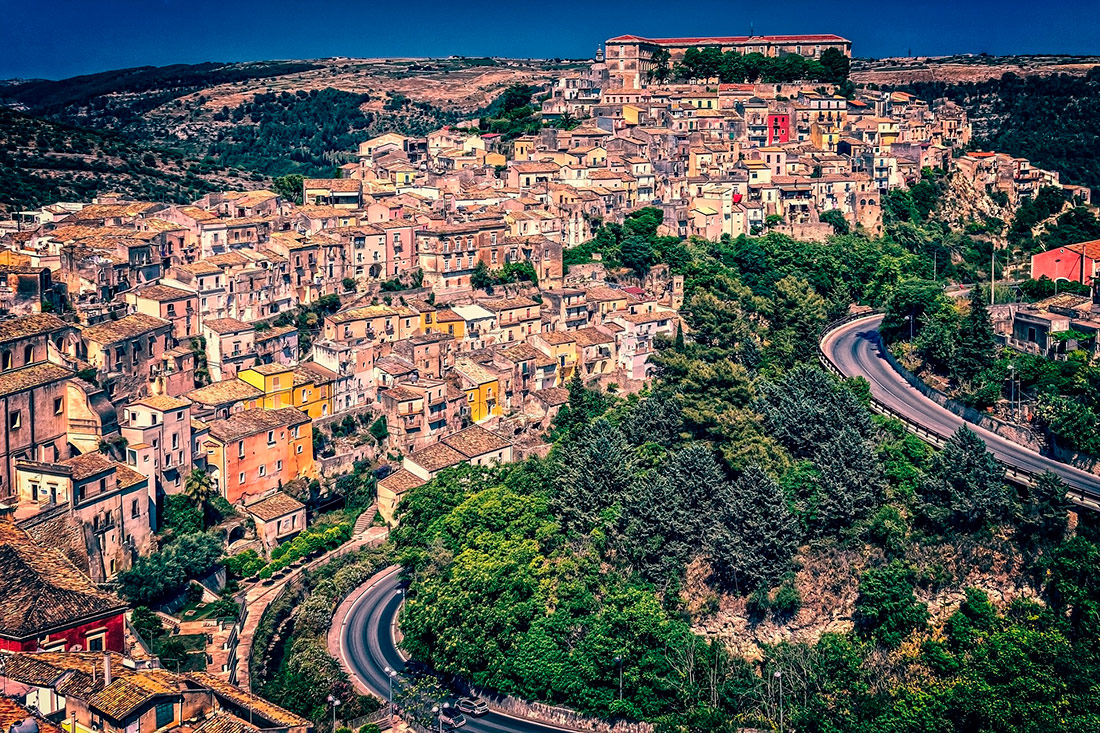
Рагуза Ибла


Temple of Concordia

Храм Конкордии


Greek theater

Греческий театр

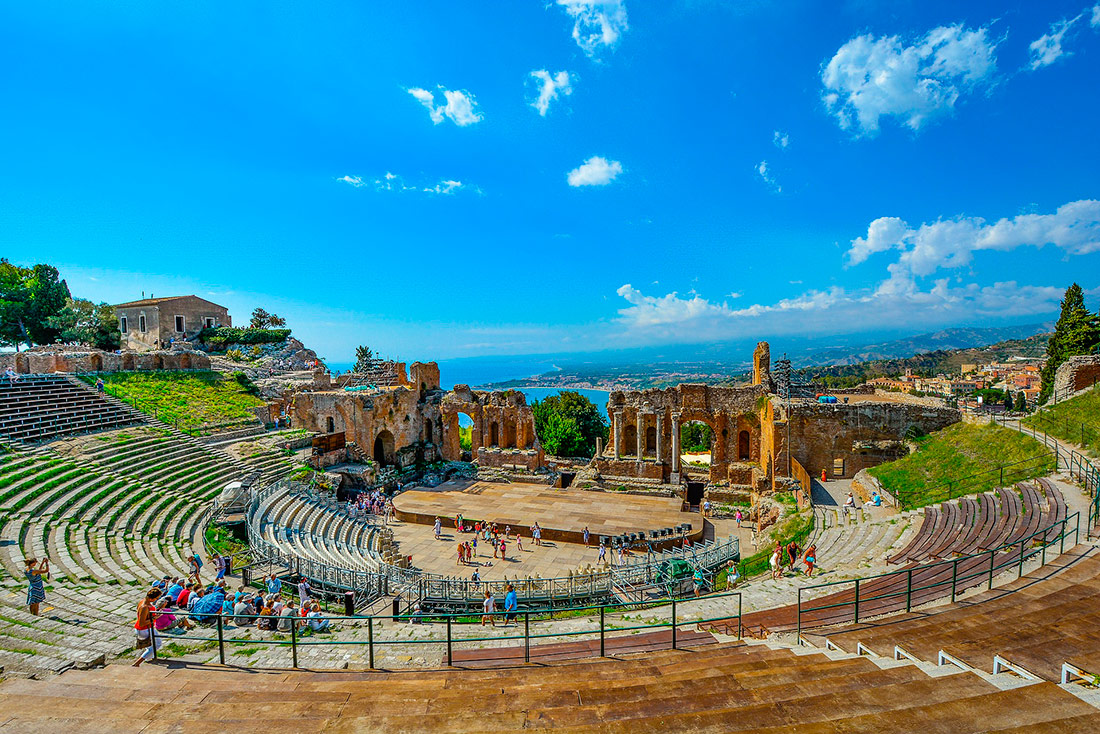
Greek theater in Taormina

Греческий театр в Таормине

Archeology Museum in Agrigento

Located just north of the temples, this wheelchair accessible museum is the finest in Sicily, with an impressive collection of artifacts unearthed during excavations.
Special attention should be paid to the magnificent exhibits of Greek painted ceramics and the superbly reconstructed Telamon, a colossal statue found in nearby Tempio di Giove.
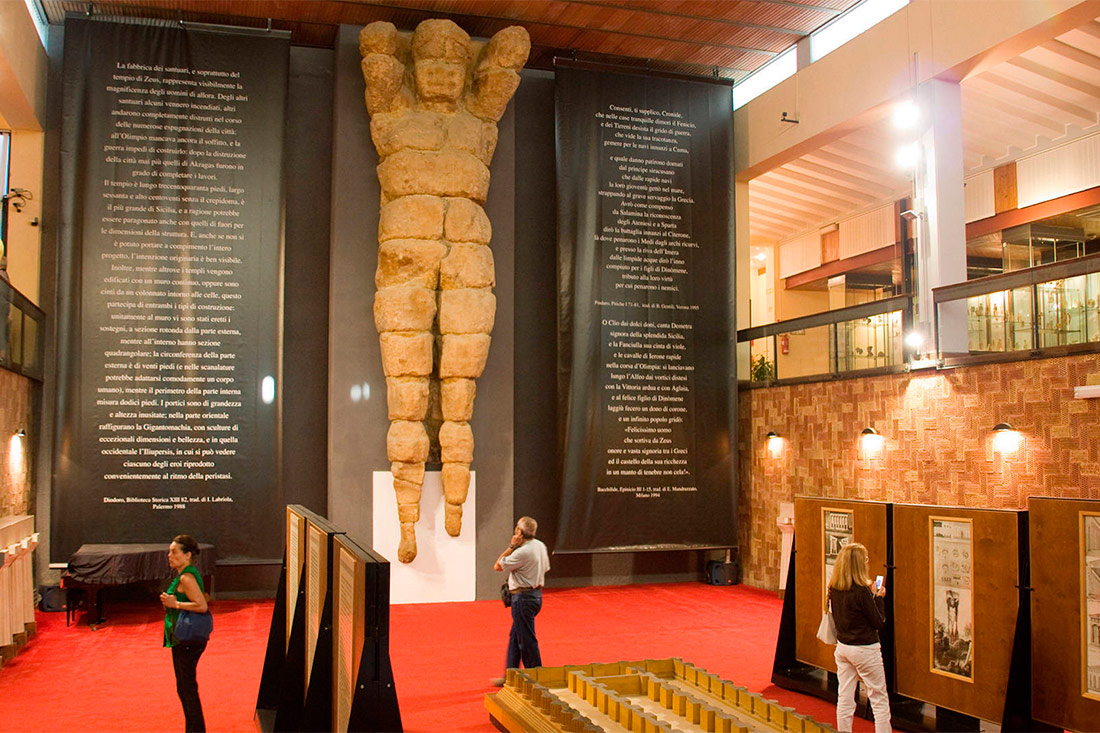
Музей археологии

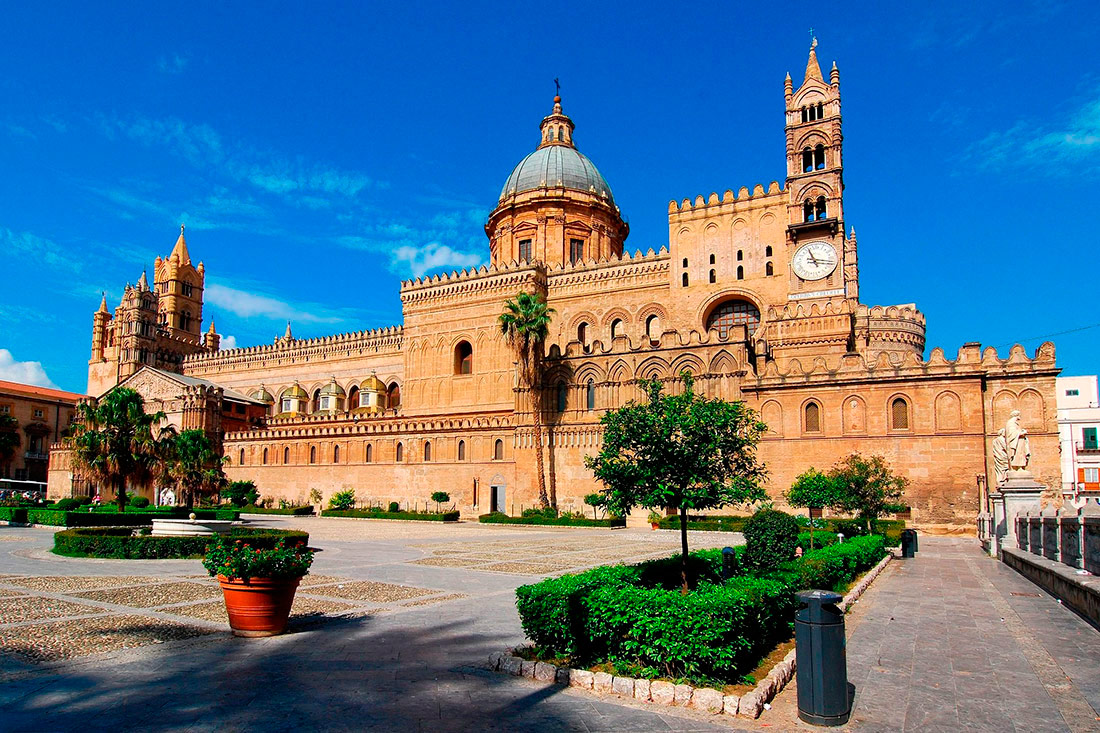
Cathedral of Palermo

Кафедральный собор в Палермо

Sciara del Fuoco lookout point

Ascent to the Sciara del Fuoco observation deck.
An alternative to the summit of Stromboli Volcano is a 400 meter hike for an hour, this vantage point directly overlooks the Sciara del Fuoco, a blackened avalanche scar running along the northern flank of Stromboli, and offers incredible yet slightly distant views of the erupting crater. The route starts at Piscita, 2 km west of the port of Stromboli.
During active periods, explosions occur approximately every 20 minutes and are accompanied by a loud rumble from the vent when hot magma is released under the pressure of gases.
After particularly violent eruptions, you can watch the red-hot rocks roll down the endless slope, creating splashes as they fall into the sea.
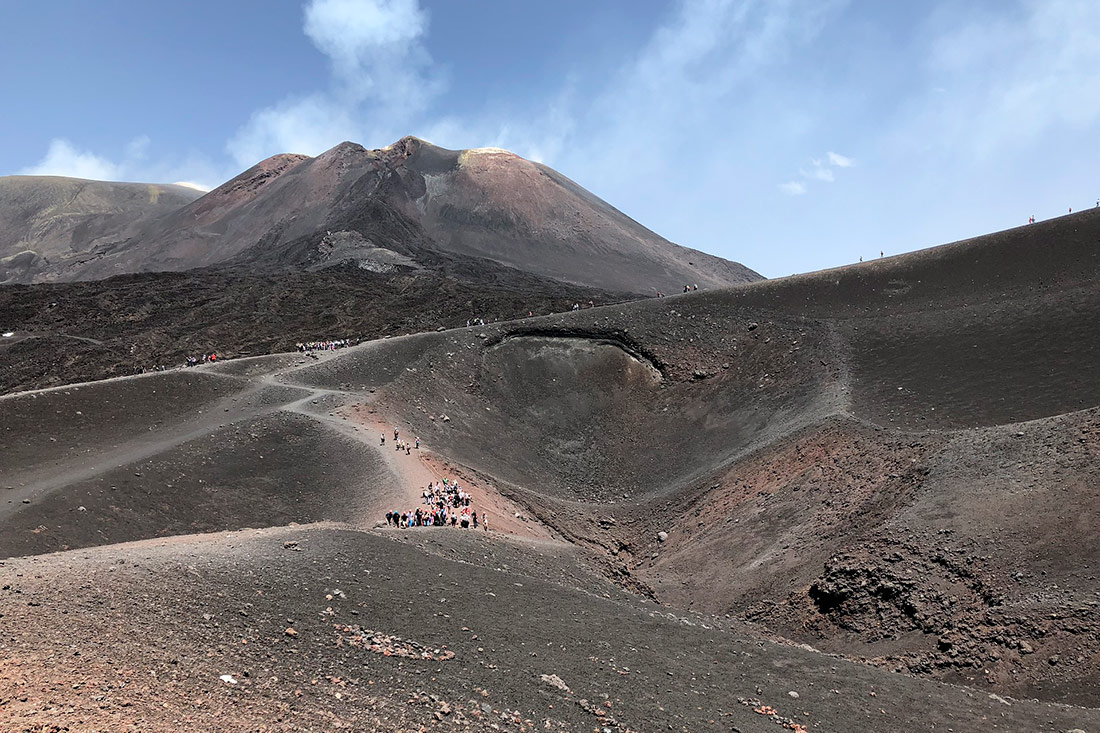
Подъем на Смотровую площадку Sciara del Fuoco

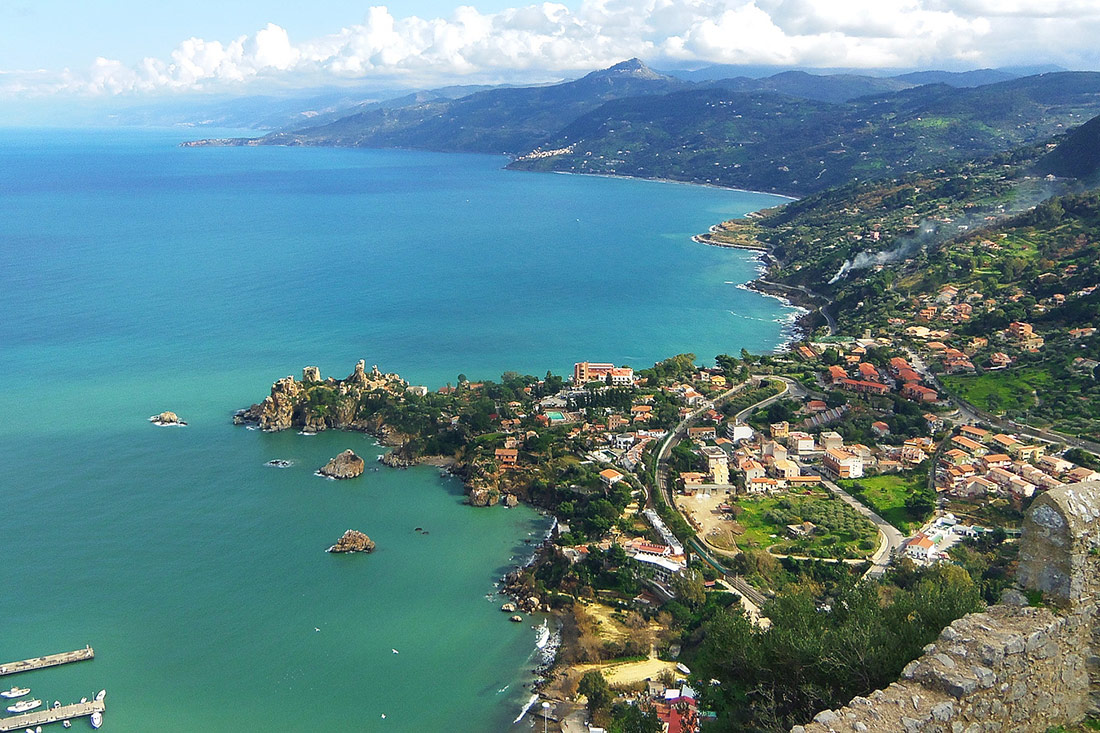
La Rocca to Cefalu

Вид из Ла Рокка

Rock dei Turki

One of the most beautiful sights in the Agrigento area, this dazzling white rock ledge in the form of a giant staircase juts out into the sea near Realmonta, 15 km west of Agrigento.
You can avoid the crowds by walking a few hundred meters north along the white rocky shelf and down to the long sandy beach below.
The beach was named after the Arab pirates, popularly called "Turks" or "Turks", who usually hid here from the weather.
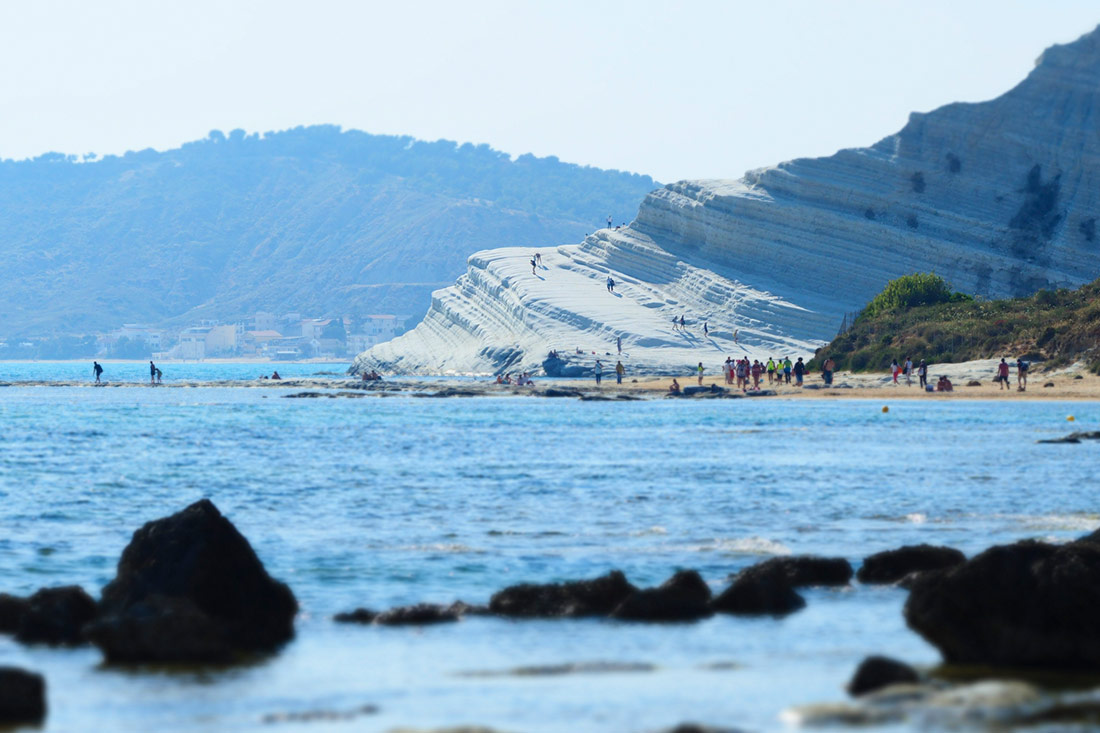
Скала дей Турки

Teatro Massimo

Built over 20 years ago, Palermo's neoclassical opera house is the largest in Italy and the second largest in Europe.
The final scene of The Godfather: Part III, with its visually captivating mix of high culture, crime, drama and death, was filmed here, and the building's ornate interiors are simply gorgeous.
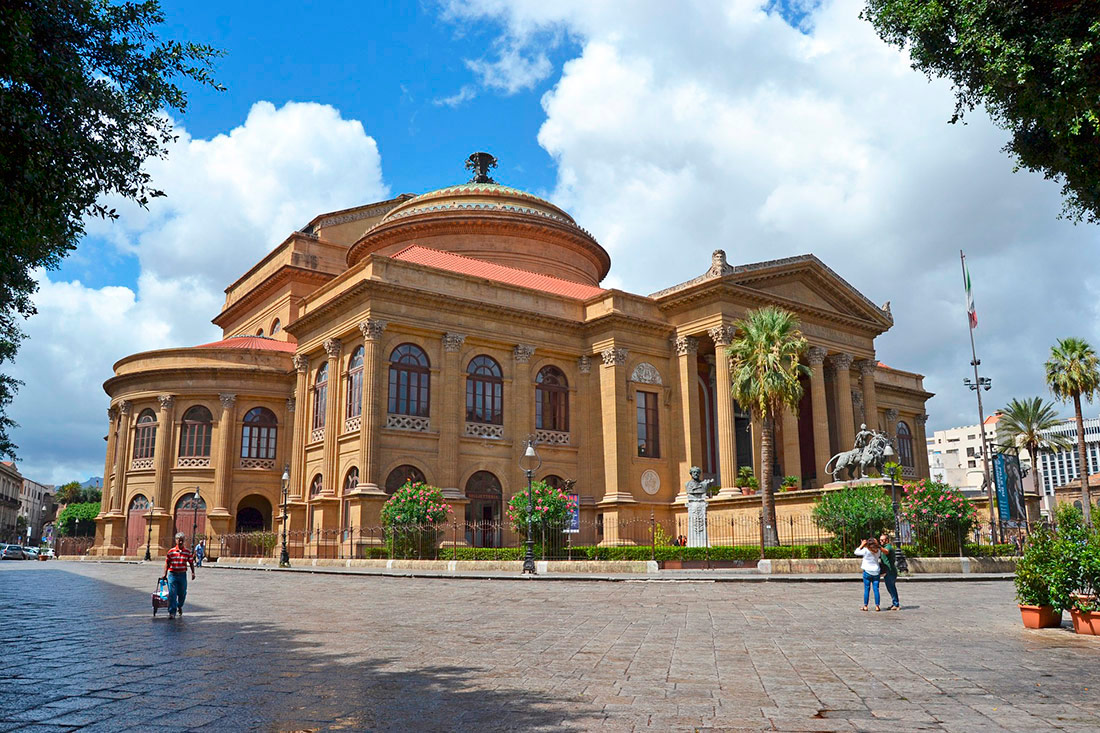
Театр Массимо


Sunday, September 6, 2020

Château de Valençay - FRANCE


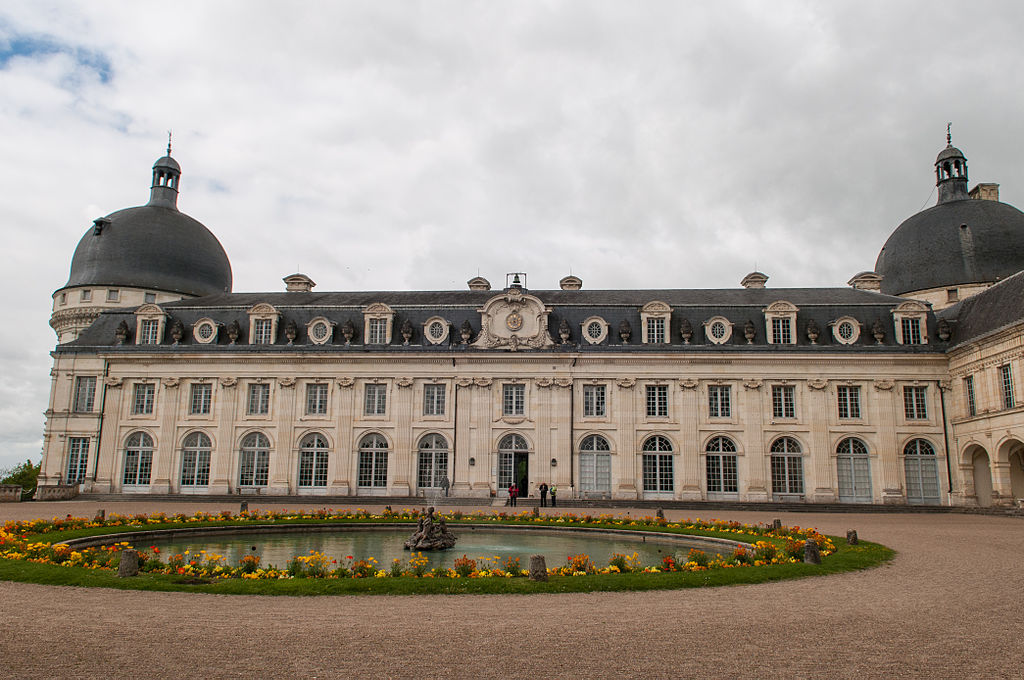
Valencay Castle is one of the Loire's castles protected by UNESCO as a World Heritage Site. An outstanding architectural monument of the Renaissance and French (Mansar's) classicism with a luxurious suite of Empire-style interiors, created under the most famous owner of the chateau - Talleyrand. Located in the commune of the same name in the Department of Indre.

Château de Valençay was a residence of the d'Estampes and Talleyrand-Périgord families in the commune of Valençay, in the Indre département of France. Although it is part of the province of Berry, its architecture invites comparison with the Renaissance châteaux of the Loire Valley, notably the Château de Chambord. The manor was praised as "one of the most beautiful on earth" by George Sand, who also noted that "no king has owned a more picturesque park". It is at an elevation of 135 m.


Château de Valençay is located at the edge of a plateau overlooking the Nahon river. In ancient times, the site of the château was home to a Gallo-Roman villa called Valencia us, the domain of Valans. By the 10th or 11th century, a "heavy and massive tower" had been built, and between 1026 and 1047 a donation charter deeded Valençay to its first recorded lord, Bertrand. In 1220, the then-lord of Valençay, Gauthier, was reported to have built a feudal castle or house on the site, but it is unclear if this was an addition or an extension to the earlier tower. There are remains of the original structure buried under the courtyard.
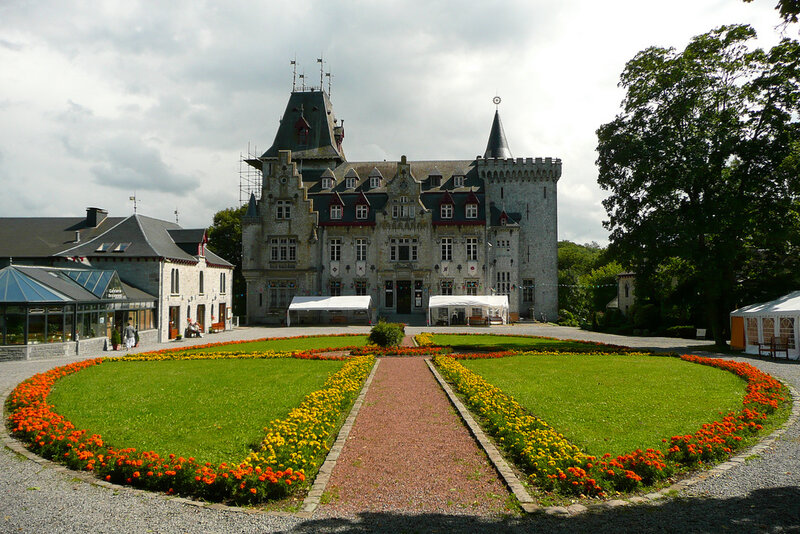
The modern château was built on a royal scale by the d'Estampes family of financiers over a period of some 200 years. Construction started in 1540 at the behest of Jacques d'Estampes in place of the demolished 12th-century castle and was not completed until the 18th century, when the south tower was added.

The 18th century saw a rapid succession of owners, including the notorious Scottish banker John Law, who purchased the estate in 1719. Nearly a century later, in 1803, Napoleon ordered his foreign minister Charles Maurice de Talleyrand to acquire the property as a place particularly appropriate for reception of foreign dignitaries, notably Ferdinand VII of Spain, his brother Infante Carlos, Count of Molina and his uncle Infante Antonio Pascual, who would spend six years in Napoleonic captivity at Valençay. The treaty providing for their release in 1813 took the estate's name.

The period of Talleyrand's occupancy was the golden age in the history of Valençay, with twenty-three communes reportedly administrated by the ruling prince. Undoubtedly the most celebrated of Talleyrand's servants employed at Valençay was his chef, Marie-Antoine Carême. After Talleyrand's death in 1838, the great statesman was buried in a small mortuary chapel in the park. His collateral descendants retained the ownership of the estate until 1952, when the male line ended. The last prince bequeathed the property to his stepson, who sold it to an association of historic chateaux in 1979.

The Princes of Talleyrand-Périgord ranked among the mediatized German nobility, by virtue of their nominal control of the duchy of Sagan in Prussian Silesia (now in Poland). On this technicality, the château was spared the German occupation during the Second World War. Having established his personal neutrality, the Duke of Sagan saw treasures from the Louvre (like the Winged Victory of Samothrace and the Venus de Milo) safely sheltered at Valençay.


Relics of the 16th century include an outsized round tower at the western corner, capped by a dome à l'impériale, and the central block in the shape of a donjon, with a slender tower on each corner, grouped around the raking roof. Its feigned battlements are evocative of the Middle Ages, a retrospective formula stylistically derived from Chambord but somewhat vitiated by ample fenestration, including characteristic Renaissance dormers.

The exterior has withstood time and the elements remarkably well. It is clothed in classical orders: the Doric order on the ground floor, the Ionic order on the first floor, and the Corinthian order on the second. This was an innovative feature anticipating French classicism. An arcaded gallery rings the courtyard. The western wing with its Mansard roof dates from the 17th century.

Talleyrand's château boasts one of the most advanced interiors of the Empire style anywhere. There are a hundred rooms, of which a quarter comprise Talleyrand's apartments. A room of King Ferdinand is also shown to tourists. The western wing contains the Talleyrand Museum, formerly housed in outbuildings.

The formal French gardens, dating from the early 20th century, cover about forty hectares, not counting the area of Talleyrand's vineyards. Llamas, peacocks, and other exotic animals kept in the park provide amusement for tourists. 


Friday, June 5, 2020

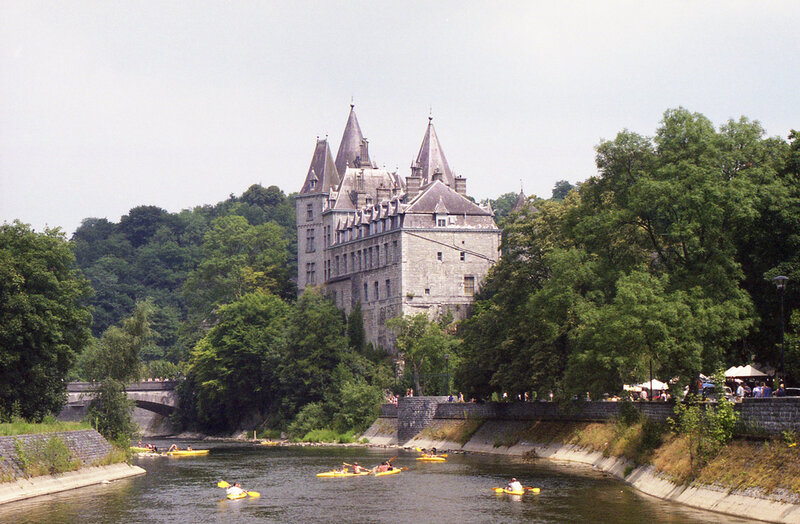
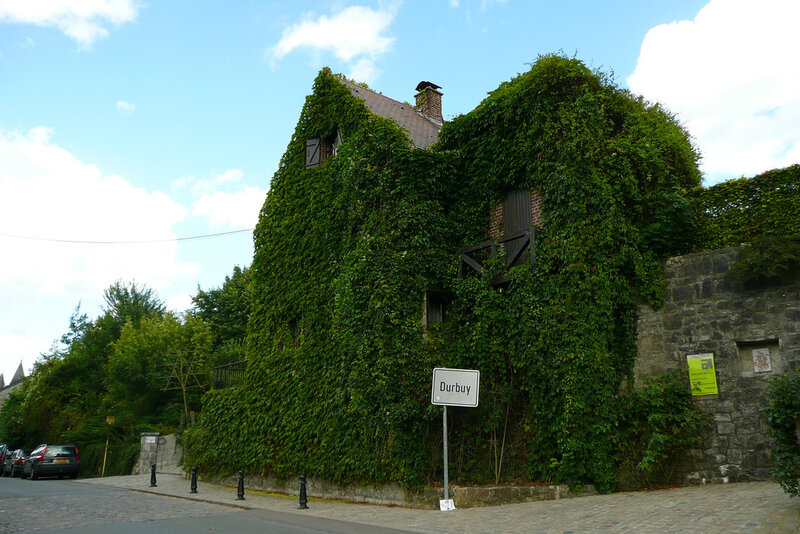
DURBUY - IS THE SMALLEST CITY IN BELGIUM.


2759068543_2eb56ca36e_b.jpg


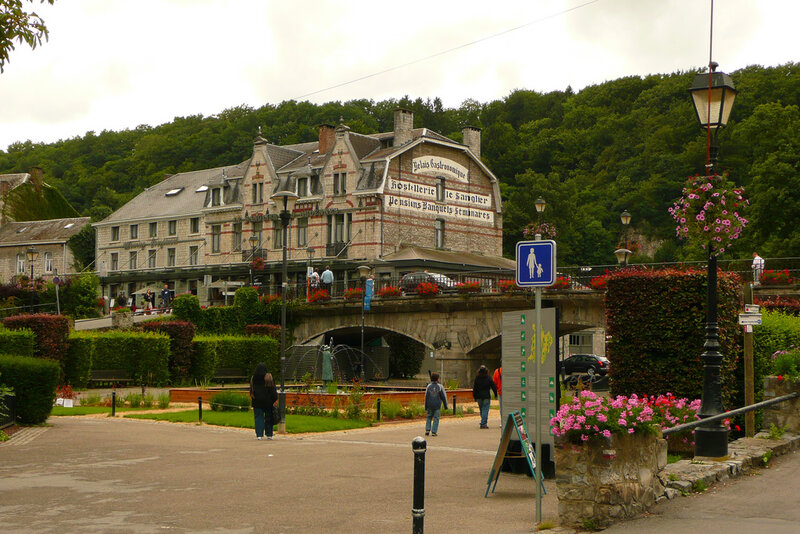
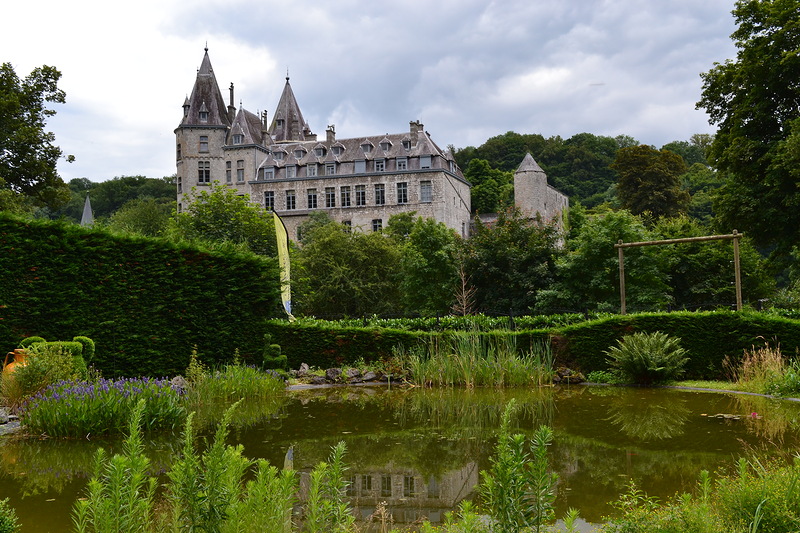
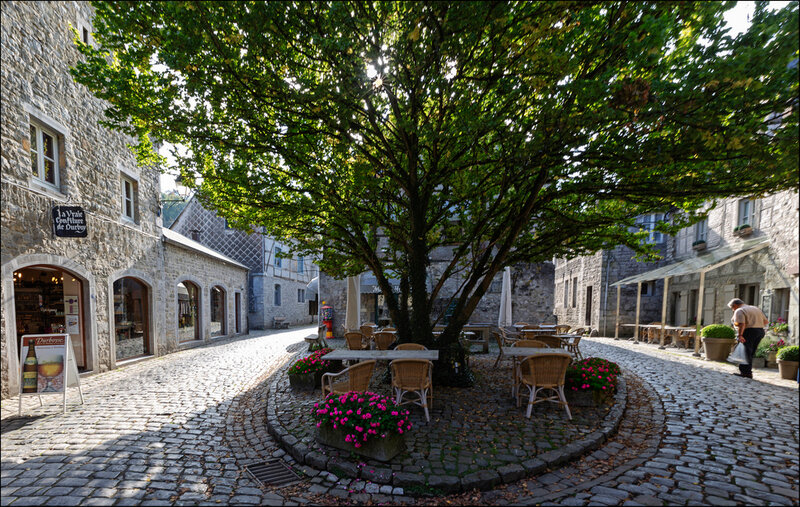
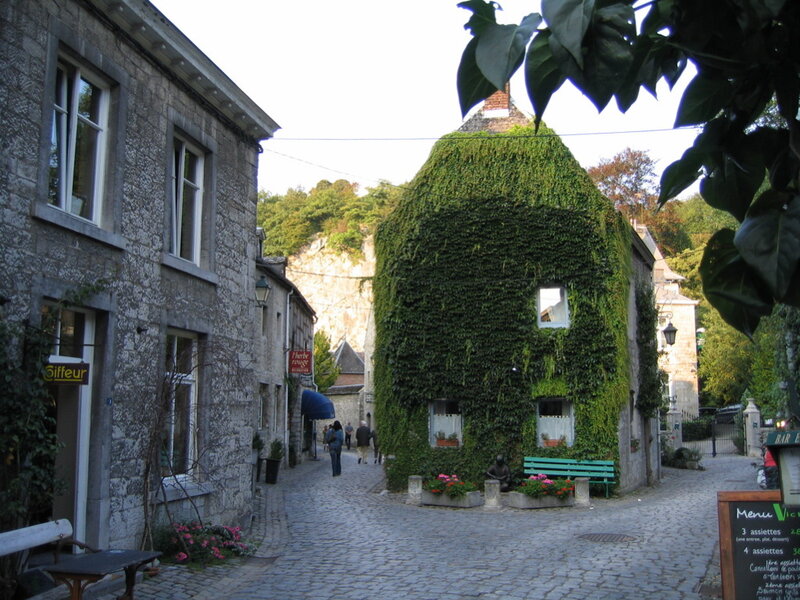
In the Belgian Ardennes, one of the smallest towns in the world, Durbuy, is lost. The Belgian city of Durbuy considers itself the smallest city in the world. Despite the fact that today its population is less than 500 people, it received the status of a city during the Middle Ages and retains it today. In 2009, its population was only 350 people, which served as the reason for entering Durbuy in the Guinness Book of Records. By 2011, the town grew a little and increased the number of its citizens to approximately 500 people.


2788935590_ff4386aa48_b.jpg


7695218166_fce65fcf63_b.jpg


2788935590_ff4386aa48_b.jpg


8365007976_ca82d5748a_b.jpg


101098417_large_0_b9fc8_efbc046a_XL.jpg


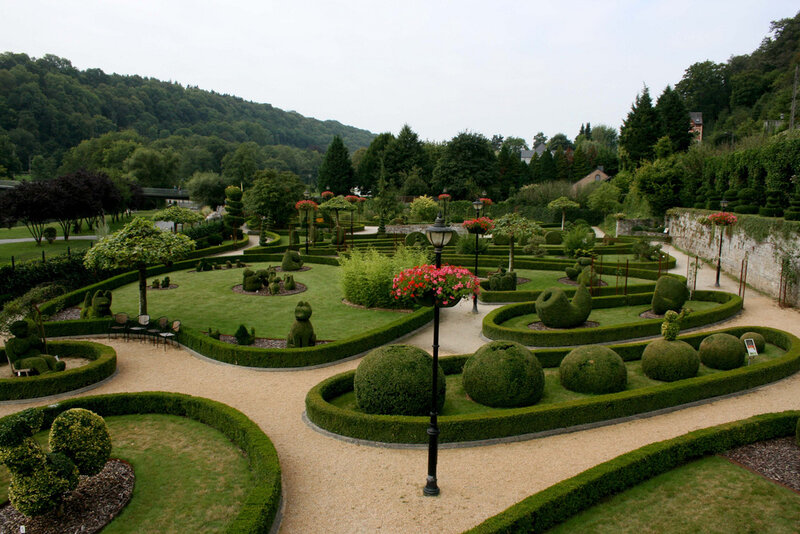
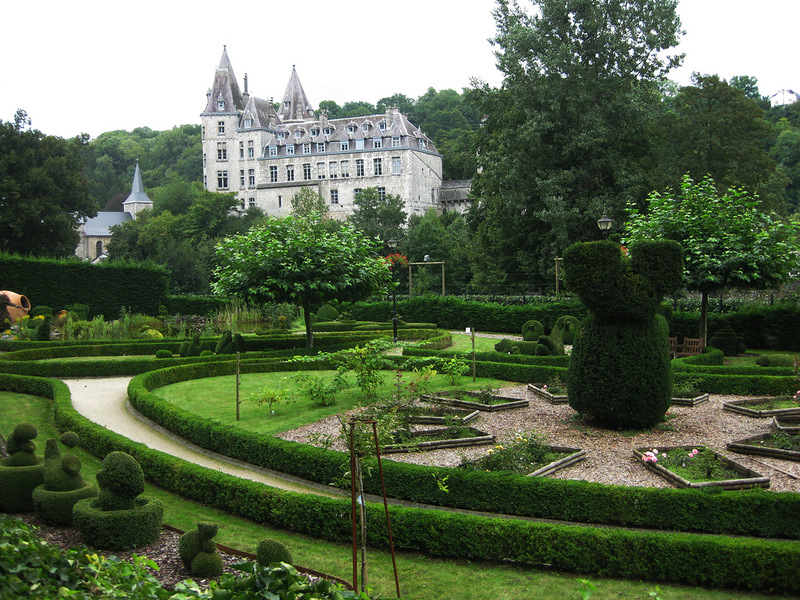
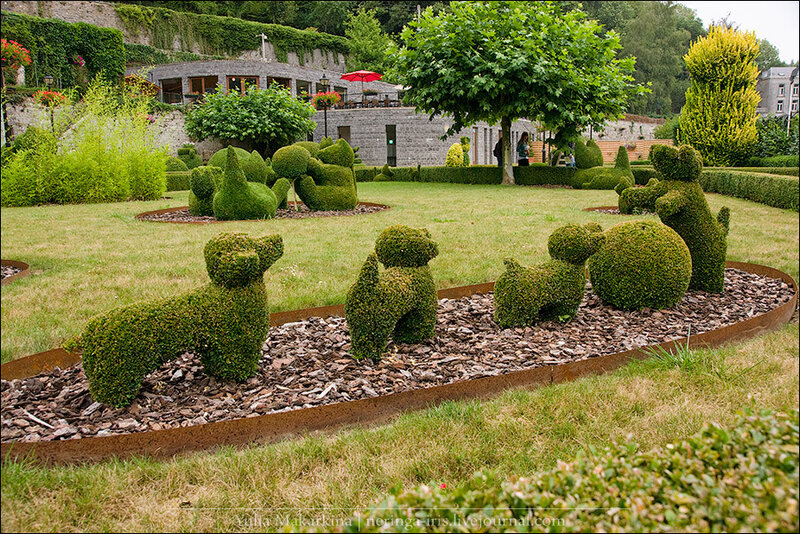
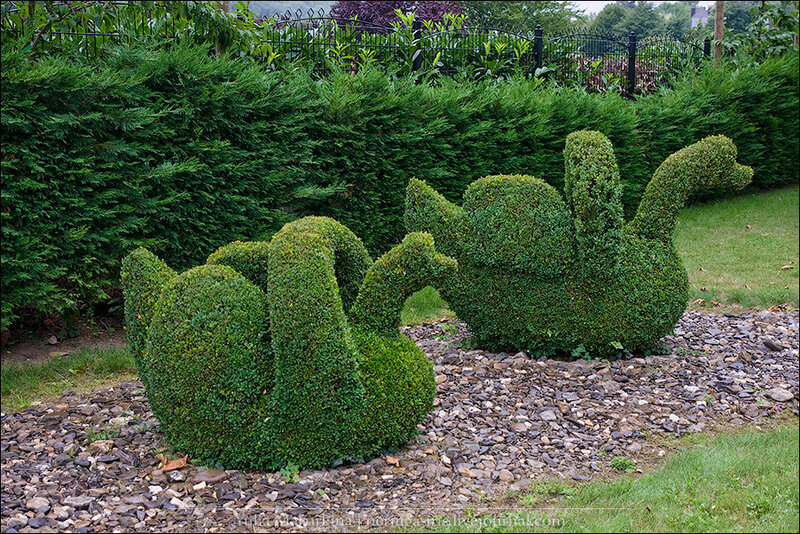
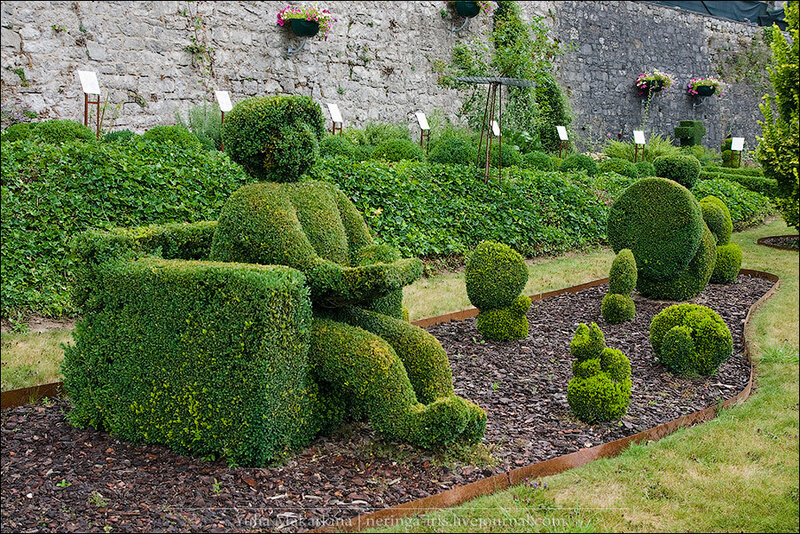
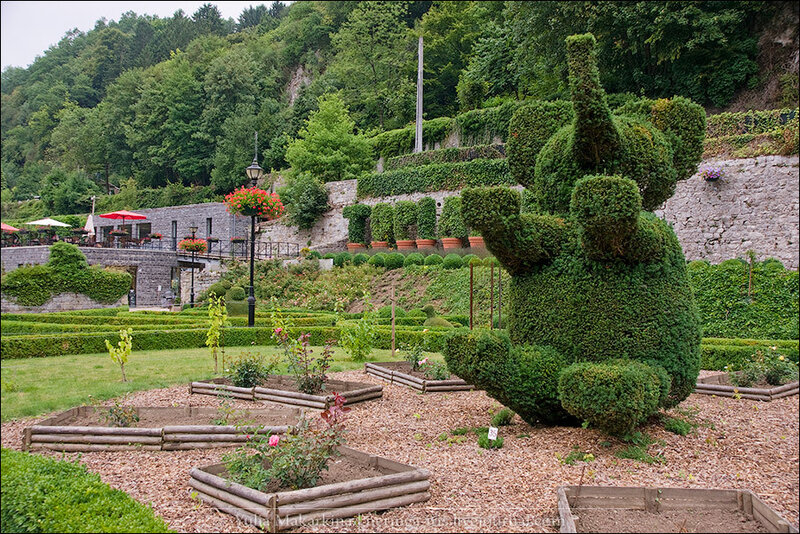
The small town has preserved the atmosphere of the Middle Ages, however, not only does this attract many tourists here. The real pearl of Durbuy - Topier Park - the largest garden in the world dedicated to the art of topier (artistic cutting of trees). When you get into this garden, it seems that you find yourself in the movie "Edward - Scissorhands": how many plant sculptures are here and how diverse they are.

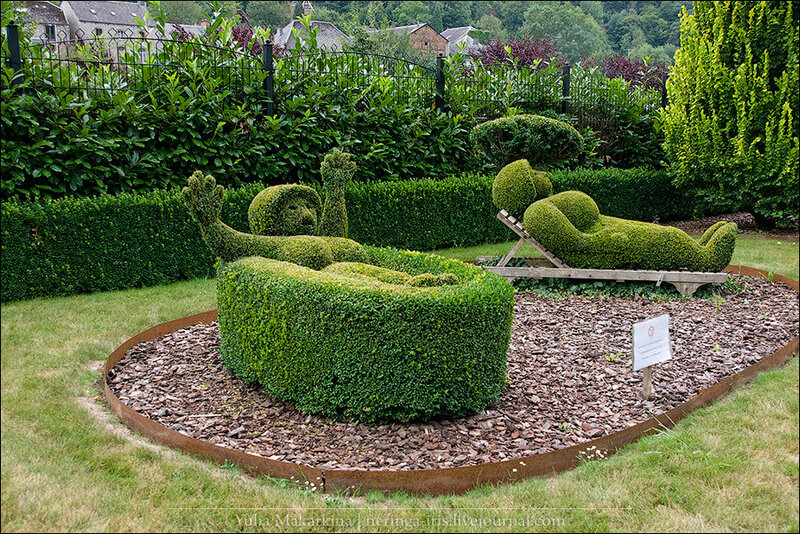
This garden is the result of the work of Albert Navez, who here, in Durbuy on the banks of the Urt River, found a great place for his masterpieces, consisting of 95% boxwood  and that boxwood, from which figure No. 2 is made, is 50 years old. Albert Navez spent 15 years giving it the present look.

It is worth saying that this hobby of Albert Navez arose twenty years ago, when he acquired several boxwood bushes and began to experiment with them. What skill he achieved over time, we can see firsthand.

In general, you are surprised when you read how old boxwood is, of which the sculptures are made. So bathing woman and her friend are 60 years old.
The sculptures are diverse: these are animals, and people, and objects ...


DSC02806.jpg


DSC02807.jpg


DSC02812.jpg


DSC02833.jpg


DSC02816.jpg


DSC02849.jpg


DSC02858.jpg


DSC02851.jpg


101098448_large_0_b9e42_8e7df3a2_XL.jpg


7895859750_2ce751f46e_b.jpg


10147471545_81c829b220_b.jpg


2987010845_94160e7246_b.jpg


2788921492_7f3d1bc572_b.jpg


1337181251_a938169b11_o.jpg


2788931920_d66d236e37_b.jpg